
新手养长毛兔,先搞懂这 5 件事
 发布日期:2026-05-20
来源:http://www.myxinhua.com 发布人:创始人
发布日期:2026-05-20
来源:http://www.myxinhua.com 发布人:创始人
1. 长毛兔是什么?养殖前景怎么样
What is a long haired rabbit? What is the prospect of aquaculture
长毛兔又称安哥拉兔,以产优良兔毛为主,毛长、绒密、保暖性强。我国主产区在山东、浙江、江苏、四川等地。兔毛用途广:纺织、针织、保暖面料、假发等。近年天然纤维需求回升,优良兔毛价格稳定,适合农村家庭与规模化养殖,投资小、见效快、风险可控。
Long haired rabbit, also known as Angora rabbit, mainly produces high-quality rabbit hair, which is long, dense, and has strong warmth retention. The main production areas in China are Shandong, Zhejiang, Jiangsu, Sichuan and other places. Rabbit hair has a wide range of uses, including textiles, knitting, insulation fabrics, wigs, and more. In recent years, the demand for natural fibers has rebounded, and the price of high-quality rabbit hair has remained stable. It is suitable for rural households and large-scale breeding, with small investment, fast results, and controllable risks.
2. 长毛兔的生活习性与养殖要点
2. Living habits and breeding points of long haired rabbits
长毛兔胆小怕惊、喜干燥、爱清洁、耐寒怕热、昼伏夜出。喜欢干燥通风环境,潮湿易生病;白天安静、夜间采食活跃;怕高温,25℃以上食欲下降、产毛减少;合群性差,成年兔宜单笼养。养殖核心:干燥、清洁、安静、通风、温度适宜。
Long haired rabbits are timid and afraid of surprises, prefer dryness, love cleanliness, are cold resistant and afraid of heat, and work during the day and at night. I prefer a dry and ventilated environment, but I am prone to getting sick when it is humid; Quiet during the day and active feeding at night; Fear of high temperatures, decreased appetite and hair production above 25 ℃; Poor social cohesion, adult rabbits are suitable for single cage breeding. Breeding core: dry, clean, quiet, ventilated, and suitable temperature.
3. 新手养长毛兔,先搞懂这 5 件事
3. New to raising long haired rabbits, first understand these 5 things
①先学技术再引种,不要盲目跟风;②先小规模试养(10–20 只),再扩群;③优先选健康、毛密、活泼、眼睛亮、肛门干净的种兔;④兔舍建议干燥通风、避雨防晒;⑤饲料以青粗为主、精料为辅,忌单一喂草。
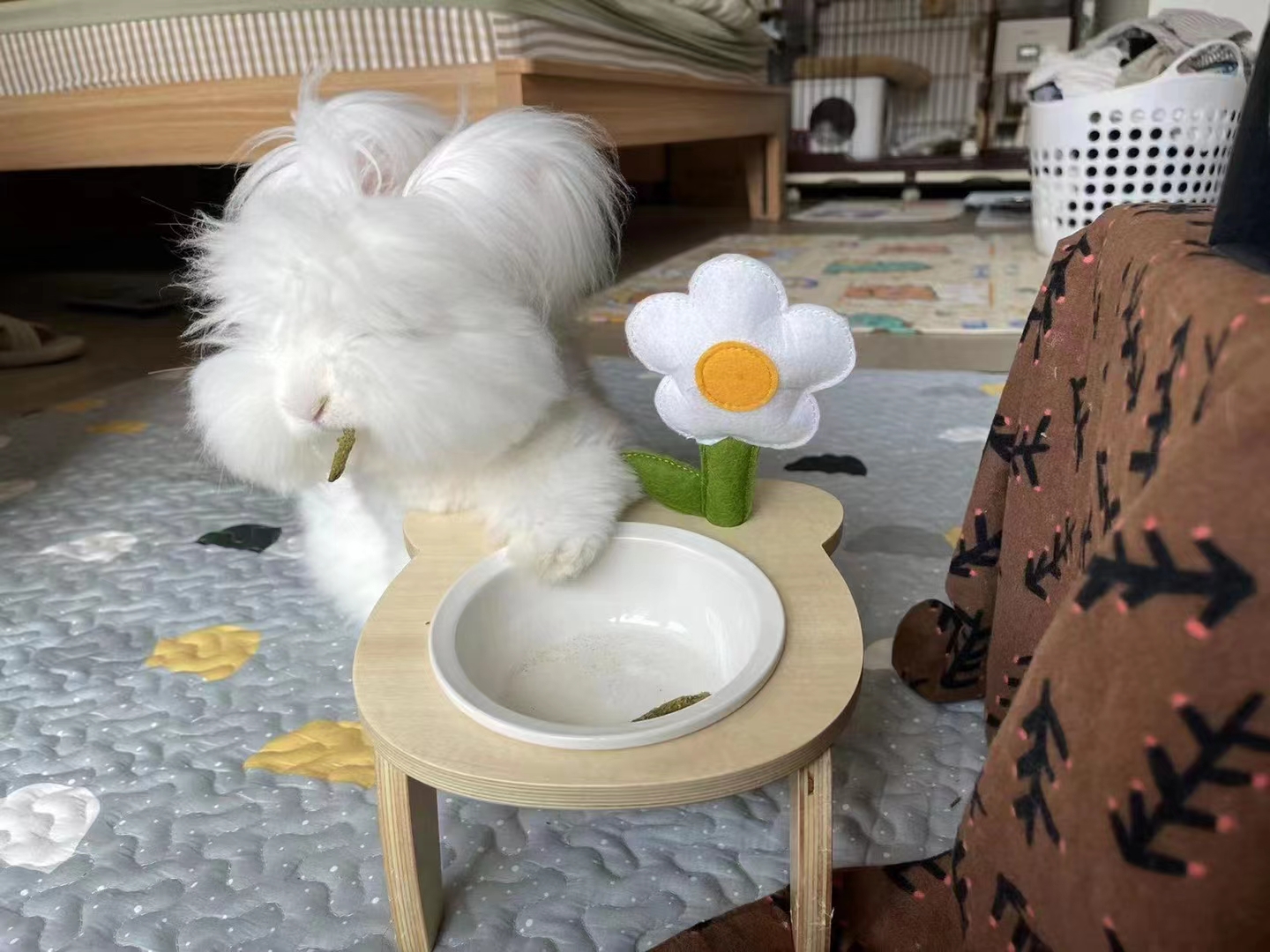
① Learn the technology first before introducing it, don't blindly follow the trend; ② First, conduct small-scale trials (10-20 individuals), and then expand the population; ③ Priority should be given to breeding rabbits that are healthy, have dense fur, lively, have bright eyes, and clean anus; ④ The rabbit house must be dry, ventilated, sheltered from rain and sun protection; ⑤ The feed should mainly consist of green coarse feed, supplemented by refined feed, and avoid feeding only grass.
4. 长毛兔与肉兔、獭兔的区别(新手必看)
4. The difference between long haired rabbits, meat rabbits, and otter rabbits (a must see for beginners)
长毛兔(安哥拉):毛长 5–8cm,年产毛 800–1200g,主打产毛,肉质一般。
Long haired rabbit (Angola): The fur length is 5-8cm, with an annual output of 800-1200g. It mainly produces fur and has average meat quality.
肉兔:生长快、体型大、出肉率高,3–4 个月出栏,毛短不值钱。
Meat rabbits: grow quickly, have a large body size, high meat yield, and are sold 3-4 months ago. They have short fur and are not valuable.
獭兔:皮张珍贵(短密绒),皮用为主、肉为辅。
Otter rabbit: Its skin is precious (short and dense velvet), mainly used for skin and supplemented by meat.
新手优先选长毛兔(毛价稳)或肉兔(周转快)。
Novices should first choose long haired rabbits (with stable fur prices) or meat rabbits (with fast turnover).
5. 长毛兔养殖模式:家庭散养 vs 规模化笼养
5. Long haired rabbit breeding mode: family free range vs. large-scale cage breeding
家庭散养:利用闲置房屋、庭院,10–50 只,成本低、人工少、草料就地取材,适合新手。
Family free range: Utilizing idle houses and courtyards, with 10-50 animals, low cost, minimal labor, and locally sourced forage, suitable for beginners.
规模化笼养:100 只以上,标准兔舍、三层兔笼、自动饮水、颗粒料,产毛稳定、防疫规范、效益高,但前期投入大。
Large scale cage breeding: More than 100 rabbits, standard rabbit houses, three-layer rabbit cages, automatic drinking water, granular materials, stable hair production, standardized epidemic prevention, high efficiency, but with large initial investment.